Skip to content
PERbites

PERbites

Accessible physics education research

  • Home
  • About
  • Articles
    • Research Summaries
    • Selected Readings in PER
  • Resources
  • Write for PERbites
  • Contact Us

Category: Research Summaries

October 14, 2020 Prasanth

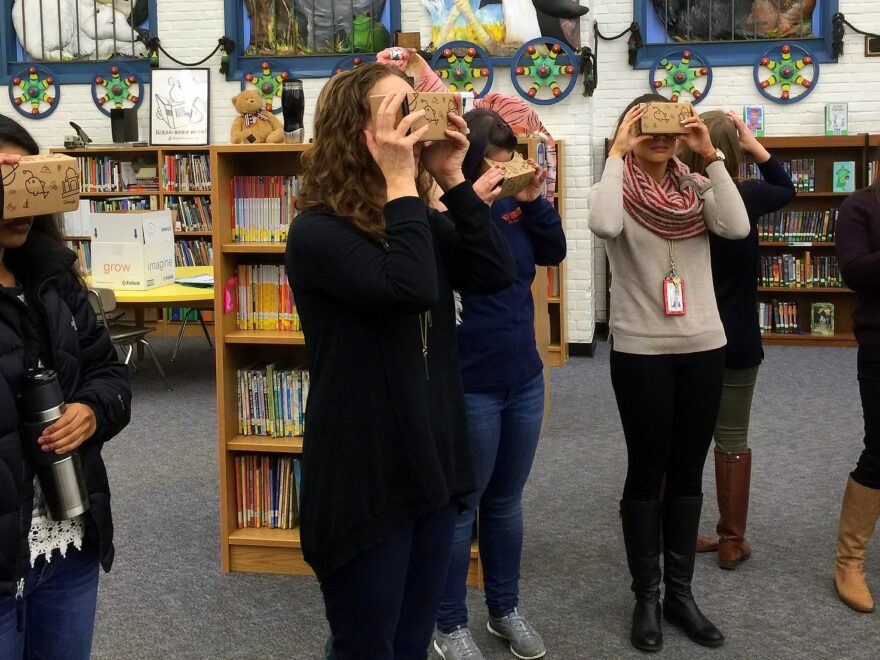
Does prior training in a VR environment help students learn better from VR based instruction?

Prior training in a VR environment on a topic unrelated to electrostatics helps students familiarize themselves with the environment, but doesn’t provide any additional learning benefits.

Continue reading
September 30, 2020 Nick Young

How representative are PER studies?

Not very. The participants are whiter and wealthier than the general college population.

Continue reading
September 16, 2020 Nick Young

Postdocs may develop PhD students’ skills more than faculty do

Engagement matters though. Specifically, talking about the research process and methods

Continue reading

September 2, 2020 Nick Young

Helping students learn from online self-paced tools

The instructor must set the expectations why students should use the tool.

Continue reading

August 19, 2020 Nick Young

Men participate more in active learning classes

Even though there were more women in the class, participation was not more equitable.

Continue reading

August 5, 2020 Nick Young

Students retain conceptual knowledge longer than we think

In fact, it seems like student can retain concepts for months after the course ends.

Continue reading
July 15, 2020 Nick Young

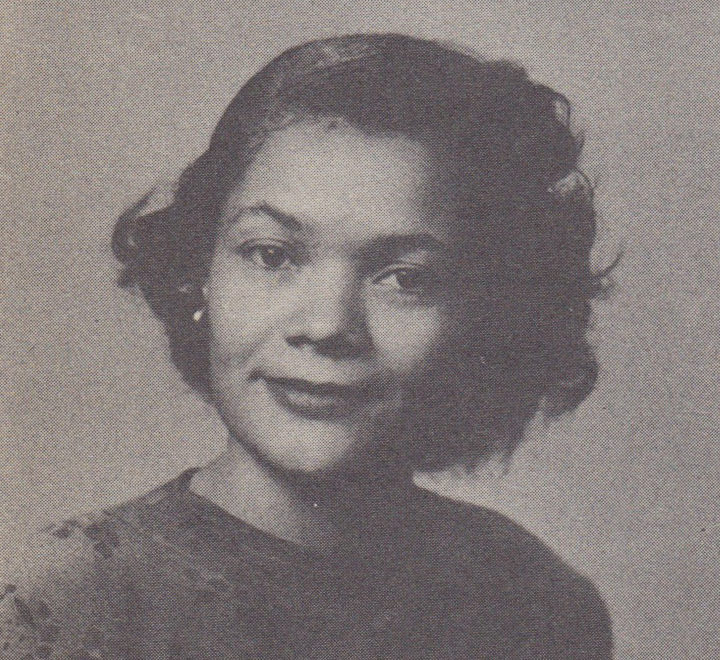
Ideas for supporting Black women physicists

Fewer than 100 Black women have PhDs in physics. Something needs to change.

Continue reading

July 1, 2020 Nick Young

Expanding the full-time, part-time student dichotomy

Looking at individual semesters doesn’t tell the full story.

Continue reading
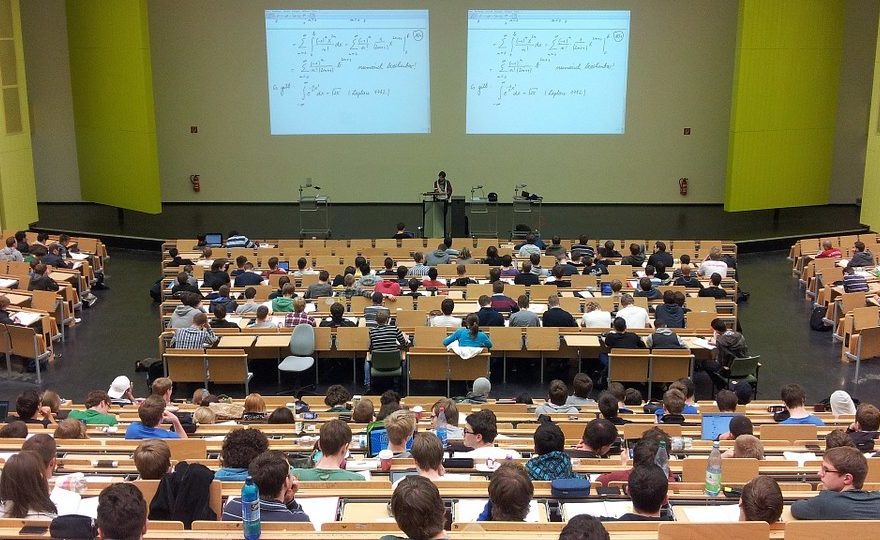
June 24, 2020 Emily Kerr

POGIL Teaching Strategy Improves Student Performance in Large Introductory Chemistry Class

POGIL teaching strategies, where students work in groups to construct there own understanding of material from open ended questions, was shown to improve student performance in introductory chemistry courses.

Continue reading
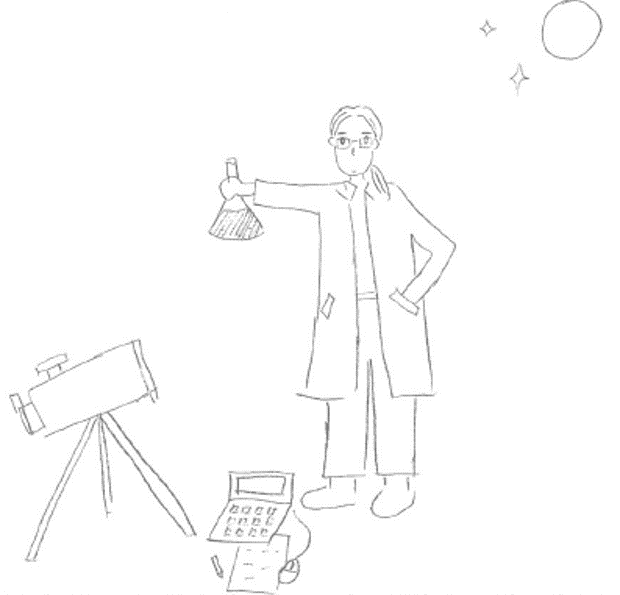
June 17, 2020 Nick Young

What do students draw when asked to “draw a scientist”?

Probably what you expect. Brainy white men in a lab.

Continue reading

Posts pagination

«Previous Posts 1 2 3 4 5 6 … 11 Next Posts»

Follow us!

RSS
Facebook
Facebook
Twitter
Visit Us
Follow Me

Our ScienceBites Sister Sites

  • ArAStrobites (Astrobites in Arabic)
  • Astrobites
  • Astrobitos (Astrobites in Spanish)
  • Astropontos (Astrobites in Portugese)
  • Bitescis (K12)
  • Chembites
  • Cogbites
  • Envirobites
  • Evobites
  • ForensicBites
  • GeoBites
  • Heritagebites
  • Immunobites
  • Nutribites
  • Oceanbites
  • Oncobites (Cancer)
  • Particlebites
  • Reefbites
  • Softbites
  • Staryab (Farsi)
  • Statsbites
  • Tags

    active learning Assessment belonging career choice chemistry Concepts and principles confidence Diversity and Inclusion Educational policy Epistemology attitudes and beliefs general chemistry grading graduate degrees graduate school hidden curriculum Institutional Change instructional materials development Instructional strategies introductory introductory courses Introductory Physics Lab classes labs Learning environment lithium mentoring mindset motivation online learning prepardness professional development research experience Research Methodology science communication Scientific Reasoning and Problem Solving self-efficacy solution videos stereotypes Student preparation student questions Technology transition Upper undergraduate students visual abstract Weed-out courses

    Meta

    • Log in
    • Entries feed
    • Comments feed
    • WordPress.org
    WordPress Theme: Wellington by ThemeZee.