
Interestingly, their belief that they are good at science and can do science was a distant third.
Continue reading
Interestingly, their belief that they are good at science and can do science was a distant third.
Continue reading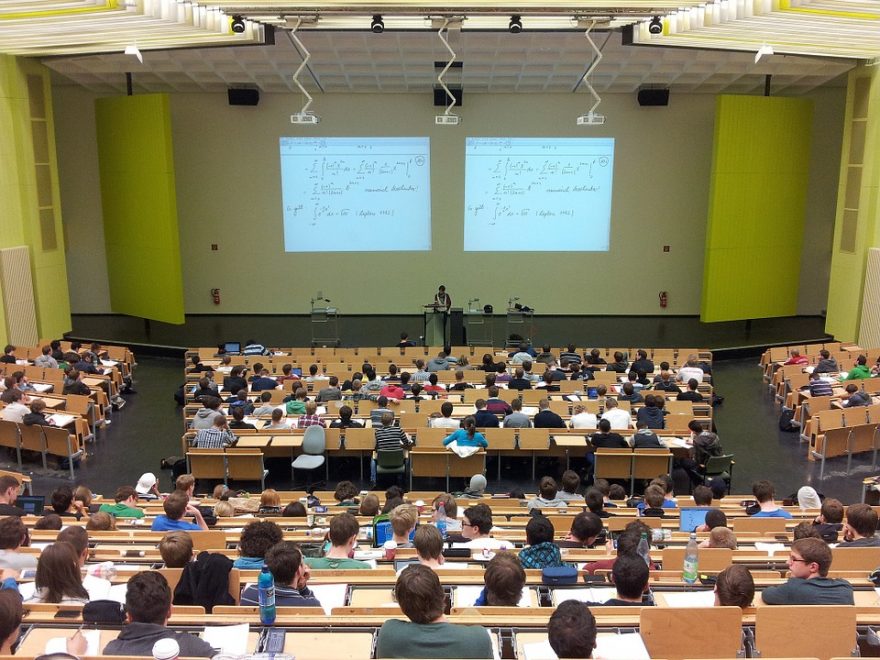
If you guessed lecture, you would be correct. However, students also expect some non-lecturing.
Continue reading
Today’s piece explores common examples of “bad mentoring” according to undergrad researchers and how to fix them.
Continue reading
While math anxiety and math avoidance are assumed to be linked, today’s study is one of the first to find evidence of such link.
Continue reading
Adding a statement addressing implicit bias seems to reduce the gender gap.
Continue reading
A combination of research-validated teaching methods can produce learning outcomes at a higher than 2 sigma level compared to traditional lecture.
Continue reading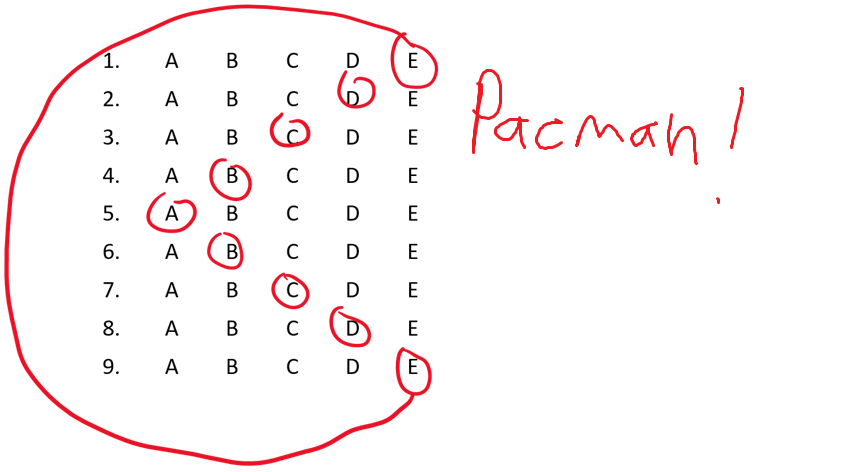
Wondering how many of your students are giving an honest effort on conceptual inventories? Today’s paper can help.
Continue reading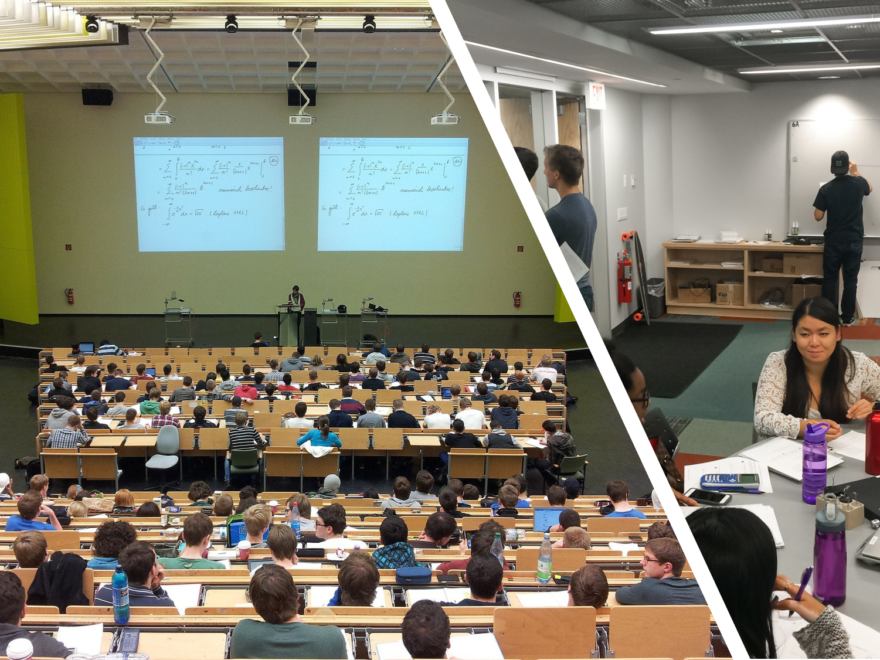
Even though students learn more in active learning environments, students still feel they learn more in traditional lecture settings.
Continue reading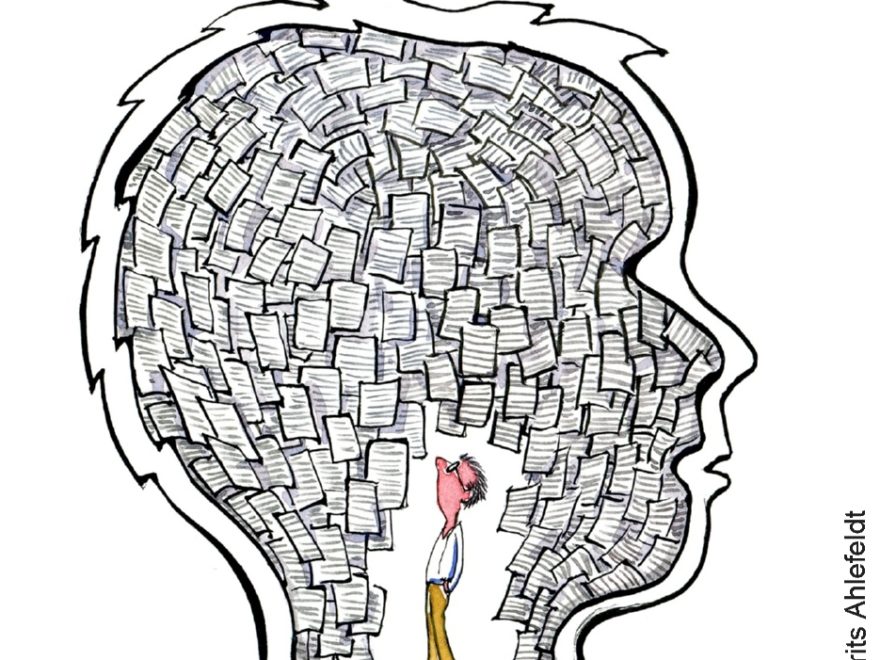
Resources framework, an assest-based model for education research, can bring to light student ideas that are hidden to traditional methods used for analysing student responses.
Continue reading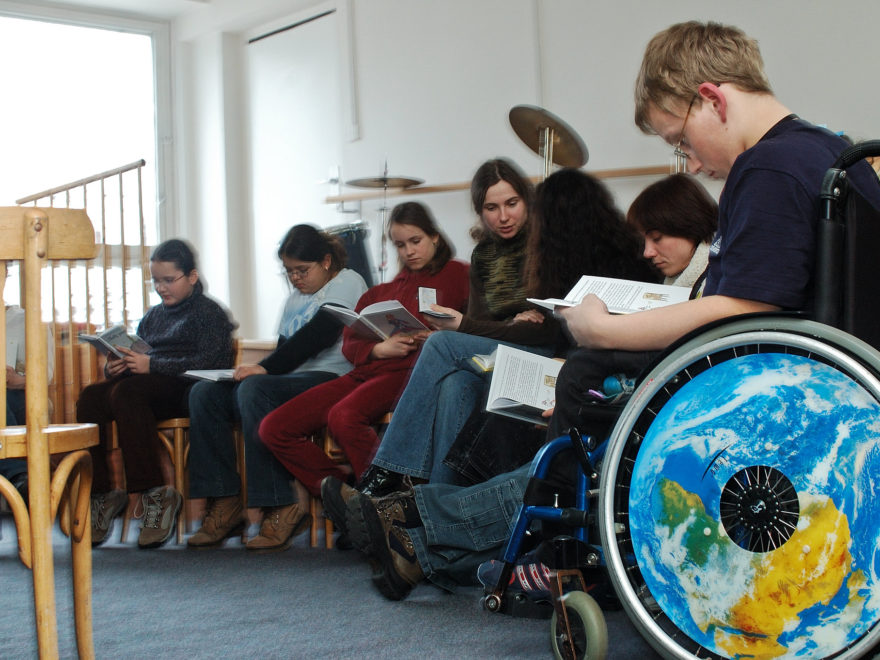
The Universal Design for Learning are a set of guidelines for designing materials for diverse needs, abilities, and interests.
Continue reading