
The grades students receive in intro physics don’t predict their grades in advanced physics, pointing to problems of coherency and inclusivity within physics departments.
Continue reading
The grades students receive in intro physics don’t predict their grades in advanced physics, pointing to problems of coherency and inclusivity within physics departments.
Continue reading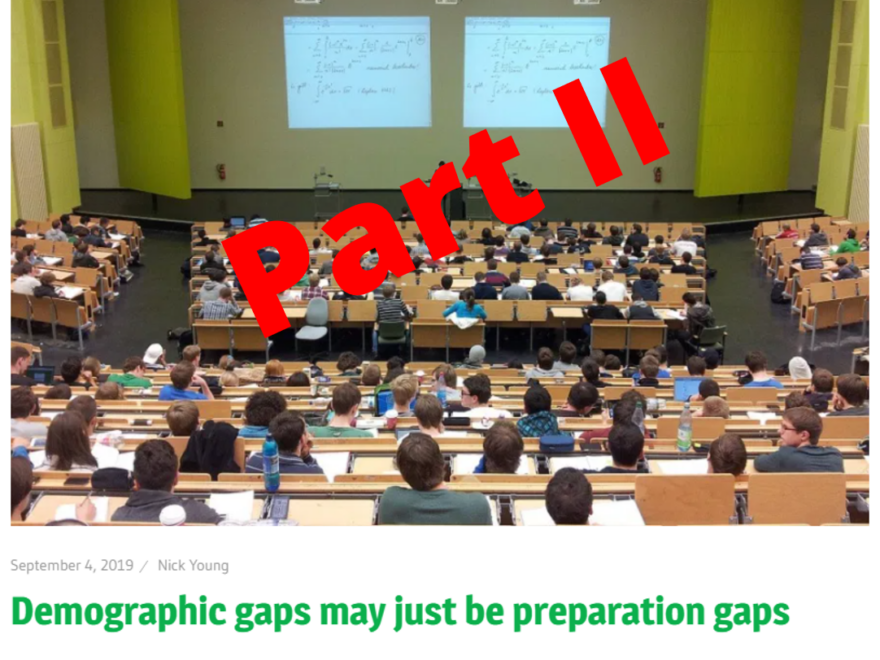
When not aggregating race and ethnicity, prior preparation no longer accounts for demographic gaps.
Continue reading
If you want to make your course learner-centered, we have some ideas.
Continue reading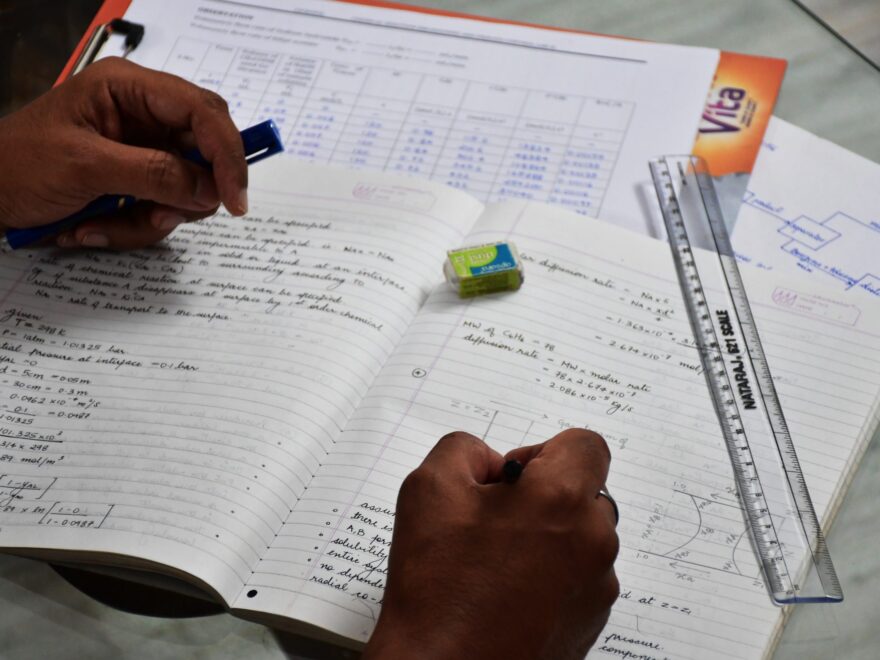
Students rarely use advanced problem solving strategies while solving problems even when these strategies had been taught in class. Explicit instruction that scaffolds varying levels of cognitive load inherent in these methods may be necessary for students to effectively use such strategies.
Continue reading
Simply reducing exams from 70 percent of the final grade to 50 makes a large difference.
Continue reading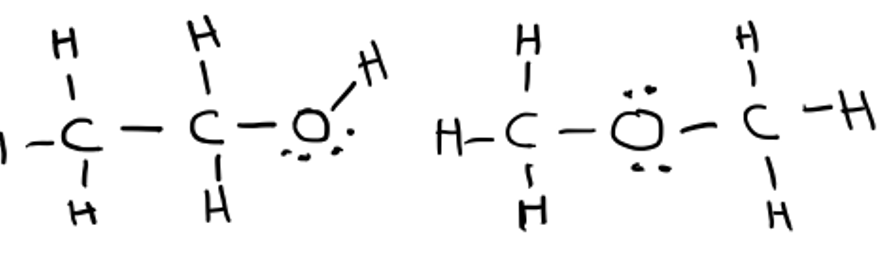
Interventions encouraging students to reason through and use supporting evidence to predict boiling point trends improves student understanding
Continue reading
That’s right. The research environment also matters more for publications and citations.
Continue reading
Students often use online resources to learn more or because they don’t find course resources accessible.
Continue reading
Taking a recitation period to explain that adversity in college in common may help in closing gender and ethnic grade gaps.
Continue reading
A metacognitive intervention teaching General Chemistry students effective study skills led to students identify effective practices and may have improved performance in the course.
Continue reading