
The percentage grading scale can lead to more students failing and over-count low grades.
Continue reading
The percentage grading scale can lead to more students failing and over-count low grades.
Continue reading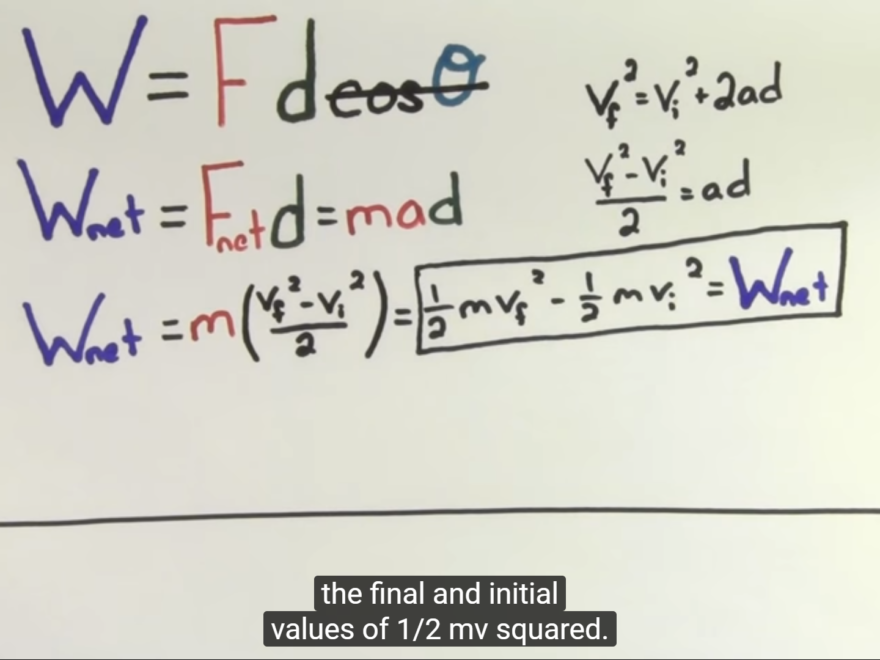
Solution videos can help students learn but they may become overconfident in their abilities.
Continue reading
Research conducted across 8 institutions, covering 2 introductory-level course and 10 upper-division courses (for a total of 1879 students), suggests that, even in the worst case, only a small percentage of students engage in behaviors such as using external resources while answering Research Based Assessments and this has a negligible effect on the class average.
Continue reading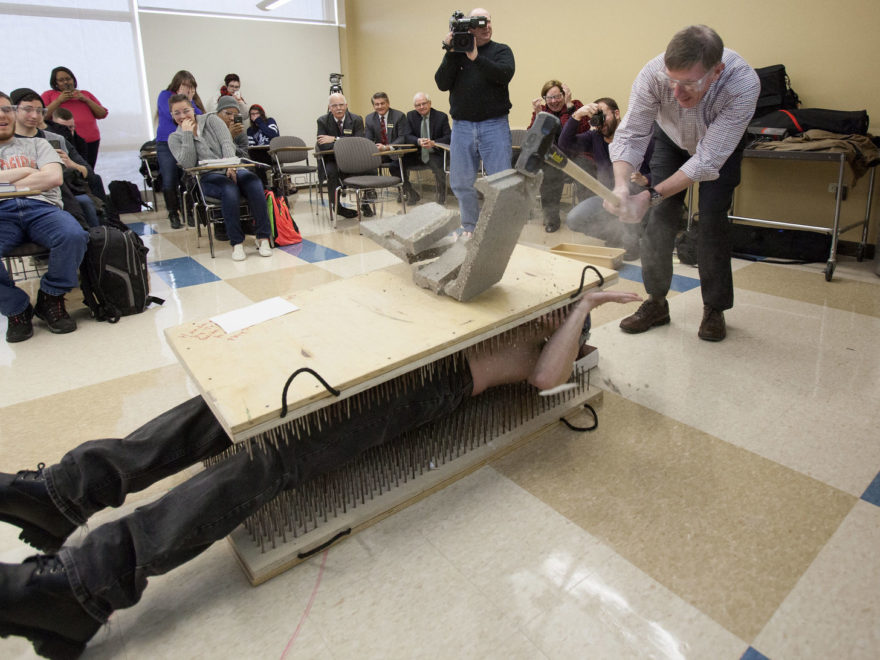
Students enjoy online demos just as much as live demos, but may learn more from online demos.
Continue reading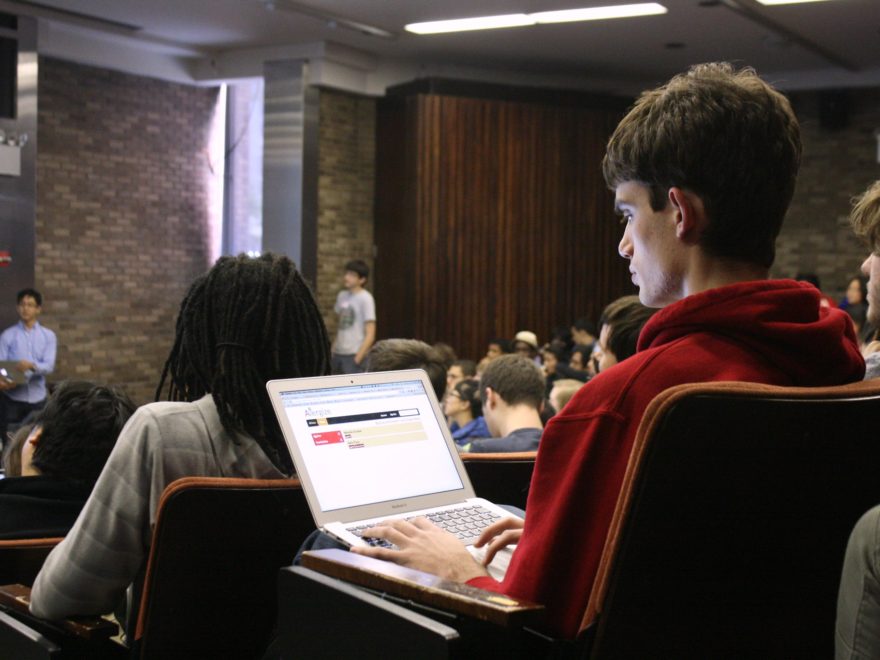
Those sitting near someone on their laptop scored 17% lower on a test than those sitting near someone taking notes
Continue reading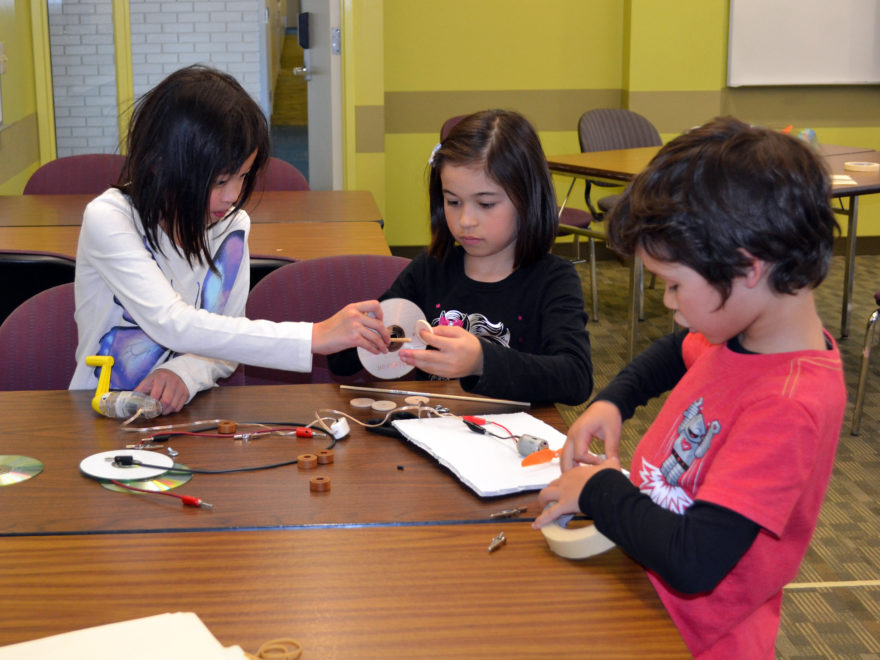
Older children are more likely to report that both boys & girls usually, should be, and can be good at STEM.
Continue reading
Interestingly, their belief that they are good at science and can do science was a distant third.
Continue reading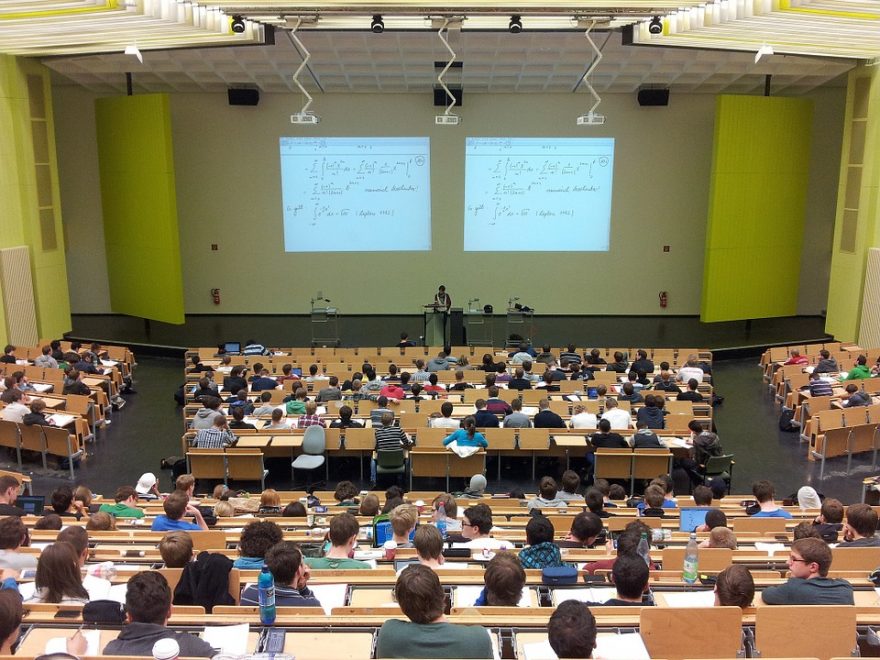
If you guessed lecture, you would be correct. However, students also expect some non-lecturing.
Continue reading
Today’s piece explores common examples of “bad mentoring” according to undergrad researchers and how to fix them.
Continue reading
While math anxiety and math avoidance are assumed to be linked, today’s study is one of the first to find evidence of such link.
Continue reading