
Using multiple representations is central to the study of physics. Today we look at how well students can change between representations of linear functions.
Continue reading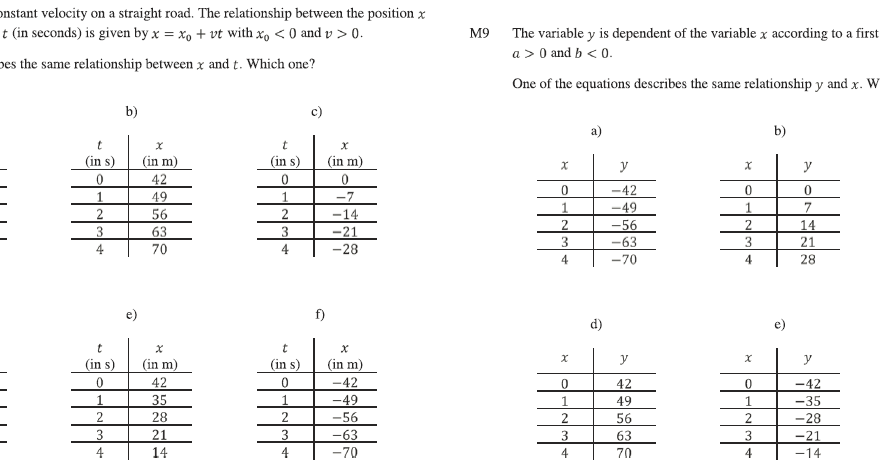
Using multiple representations is central to the study of physics. Today we look at how well students can change between representations of linear functions.
Continue reading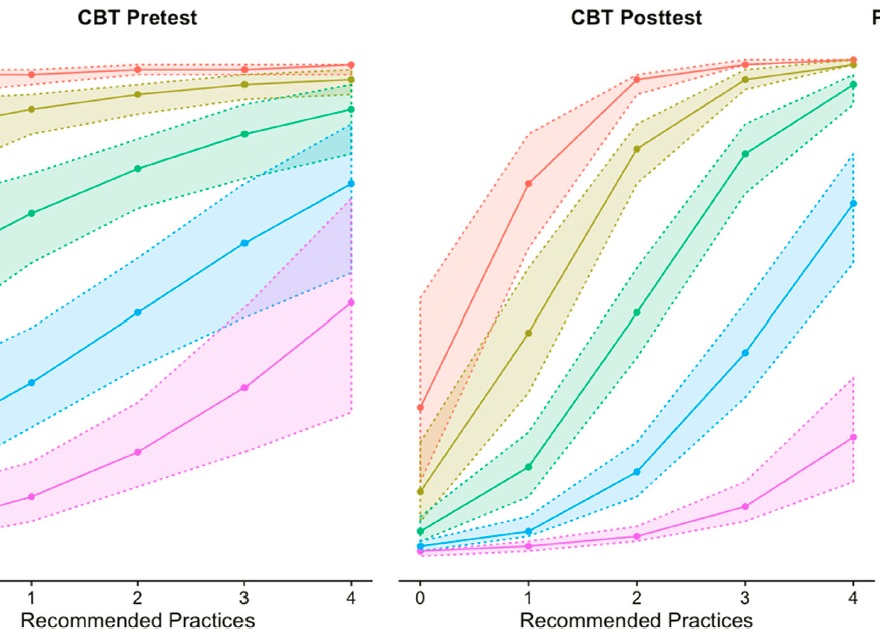
There is only so much class time during a semester which may make it difficult to incorporate research based assessments. Can we just give them online?
Continue reading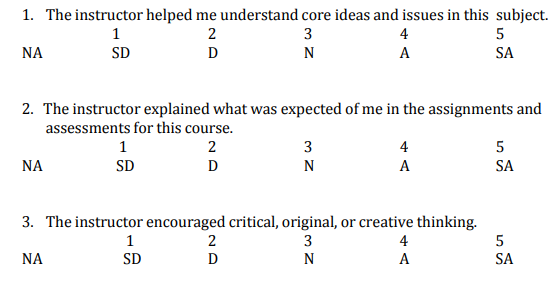
Student evaluations of instruction are widely used to evaluate instructors. Today’s article suggests these are not correlated with student learning.
Continue reading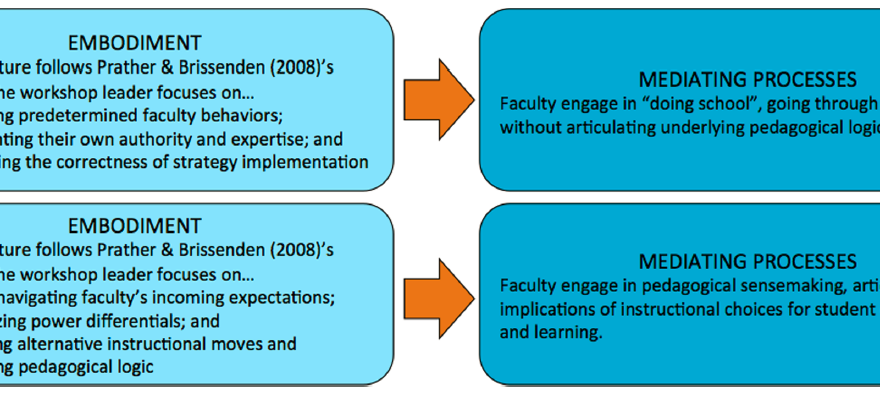
Workshops are successful in introducing new teaching strategies but less so in sustaining them. How the strategies are introduced matters.
Continue reading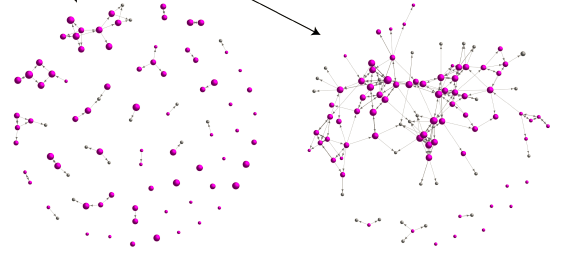
A student’s network could have an impact on whether they decide to continue their degree program. Today’s paper looks into this issue.
Continue reading
What are the demographics of future physics teachers & are any of those characteristics associated with their performance on certification exams?
Continue reading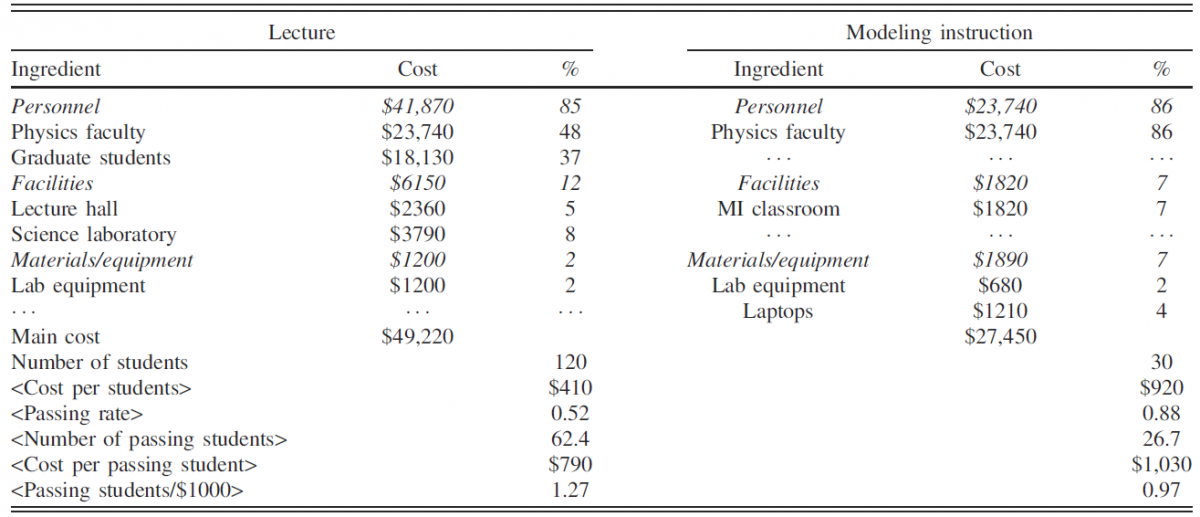
Active learning methods are thought to be more costly to implement than traditional lectures. Is this common belief actually the case and if so, what does that mean for their implementation?
Continue reading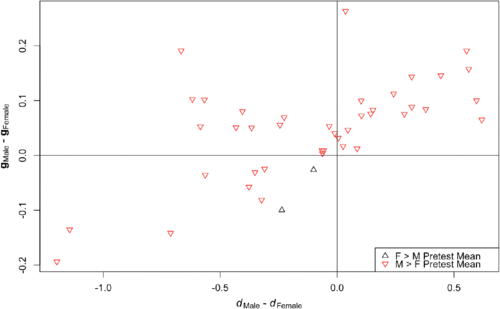
Normalized gain, g, has been the standard statistic in PER for the past two decades, but its statistical properties haven’t been explored until recently.
Continue reading
DATs are a new way to create long-term, sustainable changes in an academic department.
Continue reading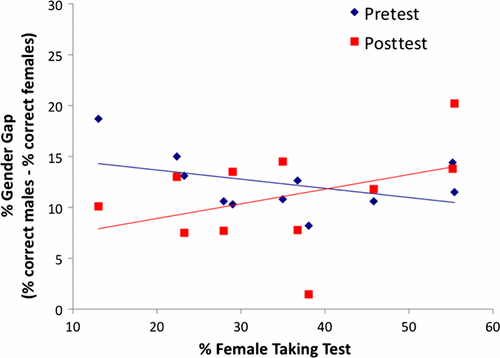
Men score better than women do on physics conceptual inventories and the reasons aren’t straightforward.
Continue reading